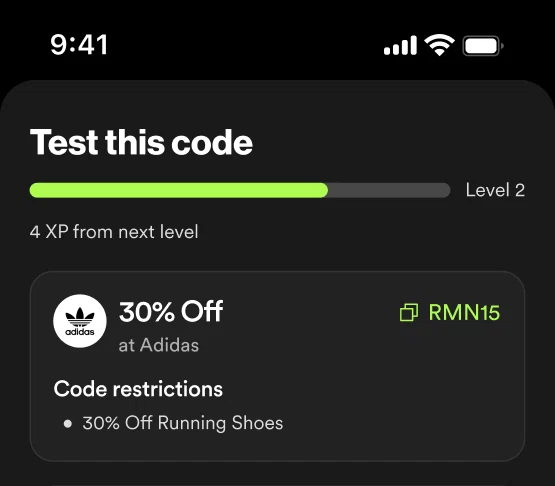
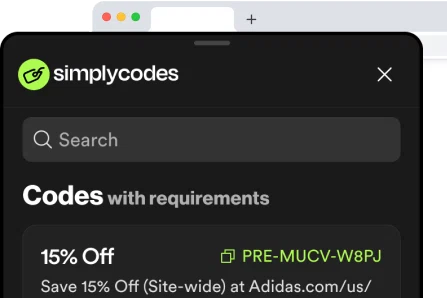
SimplyCodes tracks thousands of active promotions across major business retailers, and our deal analysis reveals several high-value patterns specific to Walmart Business shoppers. This guide translates that data into concrete, actionable strategies for reducing procurement costs.
Leverage Single-Use Codes for Exclusive Discounts
Single-use promo codes represent one of the most underutilized savings opportunities at Walmart Business. Unlike publicly shared codes, single-use codes are typically distributed through targeted email campaigns or physical mailers, meaning they are not widely circulated and carry a higher likelihood of being valid at checkout.
SimplyCodes currently tracks 3,687 single-use codes for Walmart Business — a volume that signals consistent promotional activity directed at specific customer segments. According to SimplyCodes deal analysis, shoppers who systematically test single-use codes at checkout unlock discounts that are invisible to the general public.
What to do: Before completing any Walmart Business order, check SimplyCodes for available single-use codes tied to your account type or purchase category. Apply each code at checkout before it expires, as single-use codes are invalidated immediately upon redemption and are not restocked.
Use Competitor Codes to Benchmark and Find Better Deals
Walmart Business operates in a competitive business-supply market, and SimplyCodes monitors promotional activity across comparable retailers and brands. SimplyCodes currently tracks 2,361 competitor codes for stores and brands operating in the same category as Walmart Business.
According to SimplyCodes internal shopping research, price-sensitive business buyers who cross-reference competitor codes before finalizing a purchase consistently identify lower net costs on identical or equivalent SKUs. This strategy is particularly effective for commodity purchases — office supplies, cleaning products, and bulk consumables — where brand loyalty carries less weight than unit price.
What to do: If your Walmart Business cart total feels high, use SimplyCodes to scan active competitor codes before checkout. A comparable retailer running a stronger promotion may deliver meaningful savings on the same order volume, particularly for recurring procurement needs.
Time Large Purchases Around Walmart Business's Peak Sales Events
Walmart Business follows a predictable annual promotional calendar, and SimplyCodes research has identified the months and events that consistently produce the deepest discounts. Historical data tracked by SimplyCodes shows that December and March generate the highest discount rates of the calendar year for Walmart Business shoppers.
Specific recurring events include a Super Savings Week in March, Black Friday promotions in November, and Christmas Clearance events in December. These windows are not incidental — they reflect deliberate inventory and margin strategies that business buyers can plan around.
What to do: Map your procurement calendar to these known sales windows. For non-urgent purchases, delaying an order by a few weeks to align with a Super Savings Week or Black Friday event can produce substantially lower per-unit costs. SimplyCodes recommends setting deal alerts for Walmart Business in advance of these periods to capture codes the moment they go live.
Capture Savings Through Seasonal Clearance Markdowns
Beyond major sales events, Walmart Business runs seasonal clearance cycles that create predictable markdown opportunities throughout the year. SimplyCodes shopping research identifies end-of-summer clearance in August and September as a reliable window for discounted inventory across categories relevant to business buyers, including storage, furniture, and outdoor or facilities-related supplies.
These markdowns occur as Walmart Business rotates seasonal inventory, and the discounts are often applied directly to product pricing rather than requiring a promo code — meaning the savings are available to any buyer who times their purchase correctly.
What to do: For businesses with flexible procurement timelines, audit your upcoming supply needs and identify any items that fall into seasonal categories. Scheduling those purchases during August–September clearance or post-holiday December windows allows you to capture markdown pricing without relying on a code. SimplyCodes tracks these clearance periods and surfaces relevant deals as they emerge.