TriEye's savings tilt heavily toward two proprietary levers: SimplyCodes maintains 2,619 user-submitted single-use codes for the brand, and historical tracking shows discounts on TriEye's integrated-mirror eyewear peak from April through August at 20% to 25% off, versus a 10% ceiling in the off-season. The brand also runs an ongoing "Sale" collection marked down up to 50% off and a referrer program paying $10 per invite.
SimplyCodes Tracks 2,619 Single-Use Codes for TriEye's Integrated-Mirror Eyewear
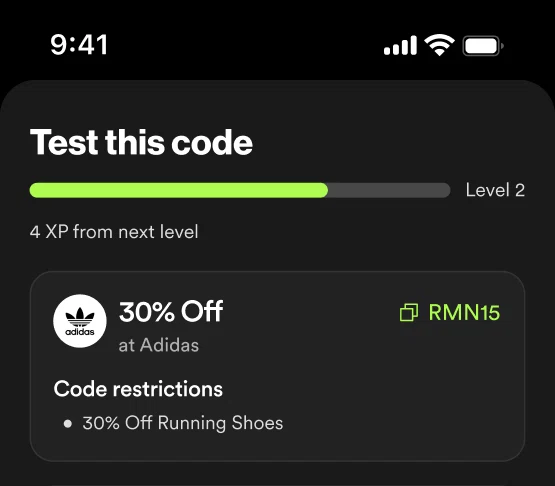
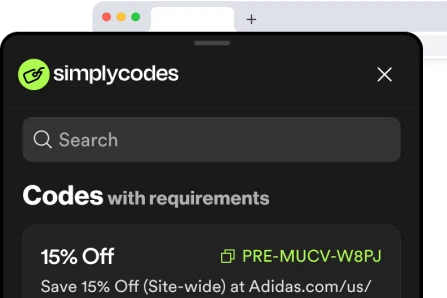
SimplyCodes currently holds an active inventory of 2,619 user-submitted single-use codes for TriEye. Because public, sitewide promo codes for a niche eyewear maker like TriEye stay limited, this crowd-sourced pool is the highest-probability path to a discount on their rear-view-mirror sunglasses at checkout. These codes frequently clear the restrictions that block standard public codes, so testing several from the SimplyCodes database before completing a TriEye order is the most direct way to secure savings when a purchase can't wait.
TriEye Discounts Peak at 25% Off From April Through August
Discounts on TriEye eyewear reach their annual high between April and August, when maximum markdowns climb to 20% to 25% off, according to SimplyCodes historical tracking across the past two years. During these peak cycling months, active code volume surges to between 9 and 26 codes per month, with July and August topping out at 26 active codes and 25% off. From September through March, that volume drops to just 2 to 5 codes per month and maximum discounts flatten at 10% off. A non-urgent TriEye purchase timed to the spring and summer window gains access to both deeper discount thresholds and a wider selection of active codes.
TriEye's "Sale" Collection Cuts Up to 50% Off Integrated-Mirror Eyewear
TriEye's official "Sale" collection marks down limited-stock and older-inventory eyewear by up to 50% off. Because this is a standing clearance section rather than a temporary event, it delivers a reliable steep discount on TriEye's integrated rear-view mirror sunglasses without requiring an active coupon at checkout. Shoppers flexible on frame color or model can pair this collection against the seasonal code cycle to determine which route yields a lower final price on a given pair.
TriEye's Referrer Program Pays $10 Per Invite and Scales to $20
TriEye's official referrer program pays account credit that increases as referral counts grow: $10 in credit for each of your first invites, $15 per referral after the 10th successful invite, and $20 per referral after the 25th. According to TriEye's official program, the friend you refer receives a discount on their first purchase, though the referral page carries conflicting language listing that discount as either 10% off or 15% off. Riders who regularly recommend TriEye to cycling partners can accumulate credit toward their own future eyewear while passing a first-order discount along.
Bundle Replacement Mirrors to Clear TriEye's Free Shipping Minimum
TriEye triggers free shipping on US orders over $69 and on international and European orders over €69, per the thresholds stated on the product page and FAQ. Because TriEye eyewear frequently lands just under these minimums, a shopper short of the line can add the brand's replacement mirrors, spare parts, or cleaning accessories to cross it. Those add-ons are specific to TriEye's mirror-integrated design and are often exactly the components a cyclist wants on hand, so bundling them eliminates the shipping fee without wasted spend.
Sport-Eyewear Competitors Offer Alternative Deals for Cyclists
SimplyCodes tracks 2,195 active competitor codes across the sport and cycling eyewear category relevant to TriEye shoppers. For riders drawn to high-performance eyewear but not committed to TriEye's patented integrated rear-view mirror, these codes make it easy to compare pricing and surface active sitewide promotions at alternative retailers before finalizing a purchase. TriEye's core differentiator remains that rear-view mirror, so this comparison matters most for shoppers prioritizing lens performance or price over the brand's signature feature.